The short answer
CC0 is a public domain dedication from Creative Commons. The creator gives up their copyright and related rights as far as the law allows, so you can copy, change and use the work, even commercially, without asking permission or giving credit. It does not clear trademarks, patents, or the privacy and publicity rights of people shown.
What is CC0?
CC0, published as CC0 1.0 Universal, is a tool that lets a copyright holder place a work in the public domain before copyright would normally run out. Creative Commons calls it the “no rights reserved” alternative to its licenses. It has two layers: a waiver, and a backup license for places where the waiver does not hold.
Copyright is not something a photographer has to apply for. The CC0 FAQ notes that copyright laws around the world extend protection to works automatically, whether the creator wants it or not. CC0 is the way that person says, in a standard legal text that works across countries, “I give these rights up.”
The CC0 legal code does this in three steps:
- The waiver (Section 2). The person applying CC0, called the affirmer, waives their copyright and related rights in the work, worldwide, for the full length of time the law allows. The text says this covers any purpose, explicitly including “commercial, advertising or promotional purposes.”
- The fallback license (Section 3). Some legal systems do not let authors give up every right. If any part of the waiver fails, CC0 turns into a license that grants the public a royalty-free, irrevocable, unconditional, non-exclusive permission to use the work in the same way.
- The limits (Section 4). Trademarks and patents are not affected, there are no warranties, and the affirmer is not responsible for clearing anyone else’s rights.
Creative Commons is careful on one point of wording: its FAQ states that CC0 “is not a license; it is a public domain dedication.” People still say “CC0 license,” and for a user the effect is much the same. The legal idea differs: CC0 removes the rights, and only acts as a license if it has to.
Can I use CC0 images for commercial use?
Yes. The CC0 deed says you can copy, modify, distribute and perform the work “even for commercial purposes, all without asking permission.” That covers ads, client work, product packaging, apps, book covers and websites that earn money. The open questions in commercial work are usually about what is in the picture, not about the copyright in the photo itself.
You can crop, edit, combine and publish the photo in print, on screen or in video; the legal code names “any current or future medium.” The CC0 FAQ sums it up: anyone can use the work “for any purpose, including commercial purposes, subject to rights others may have in the work.” That last phrase is where commercial projects run into trouble.
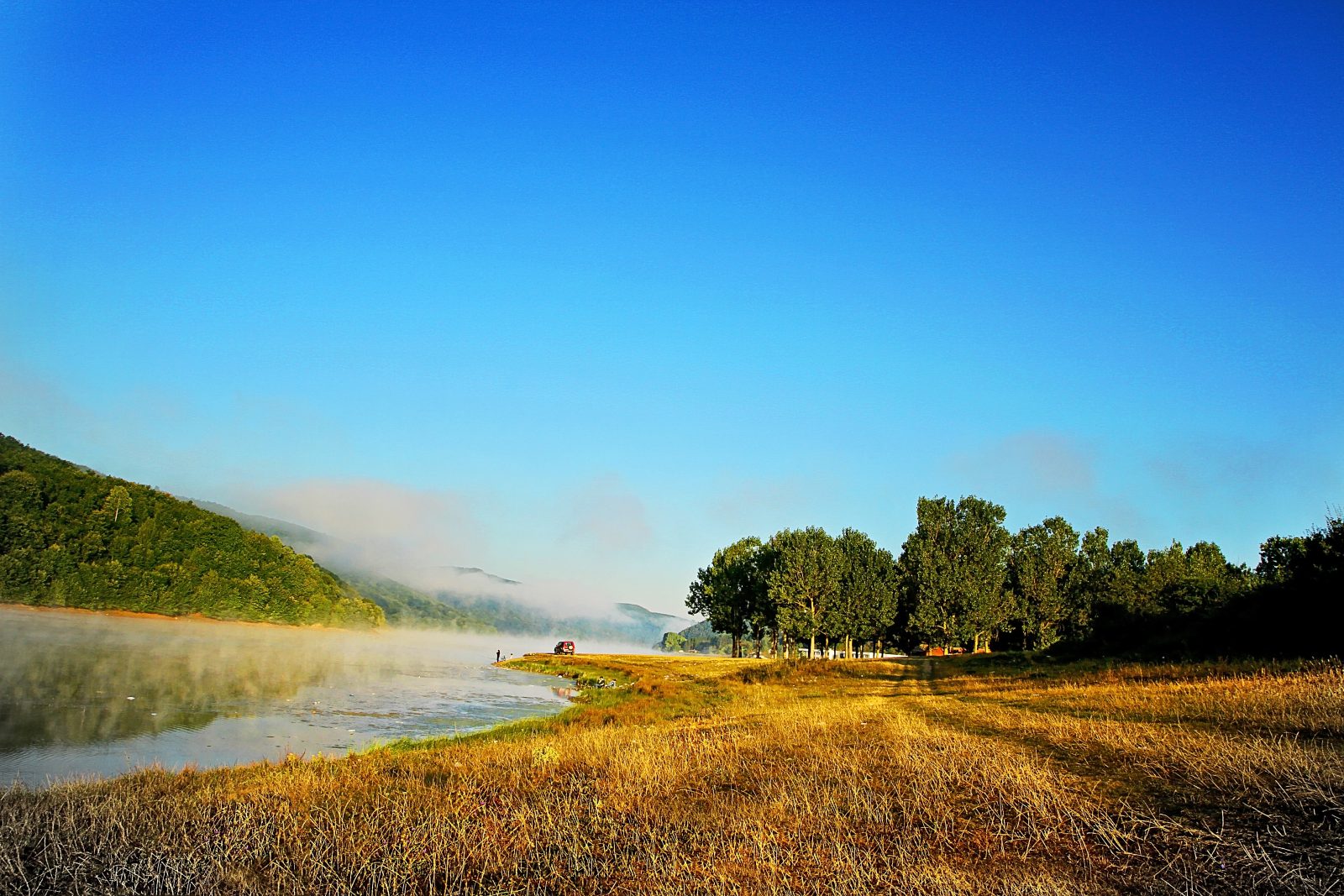
 Landscape by Fatos Rudi
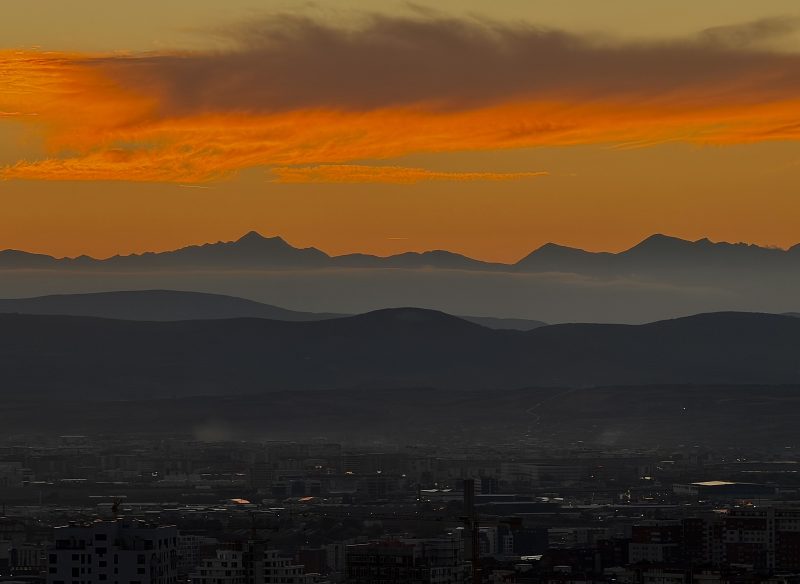 Golden Landscape by Fatos Rudi
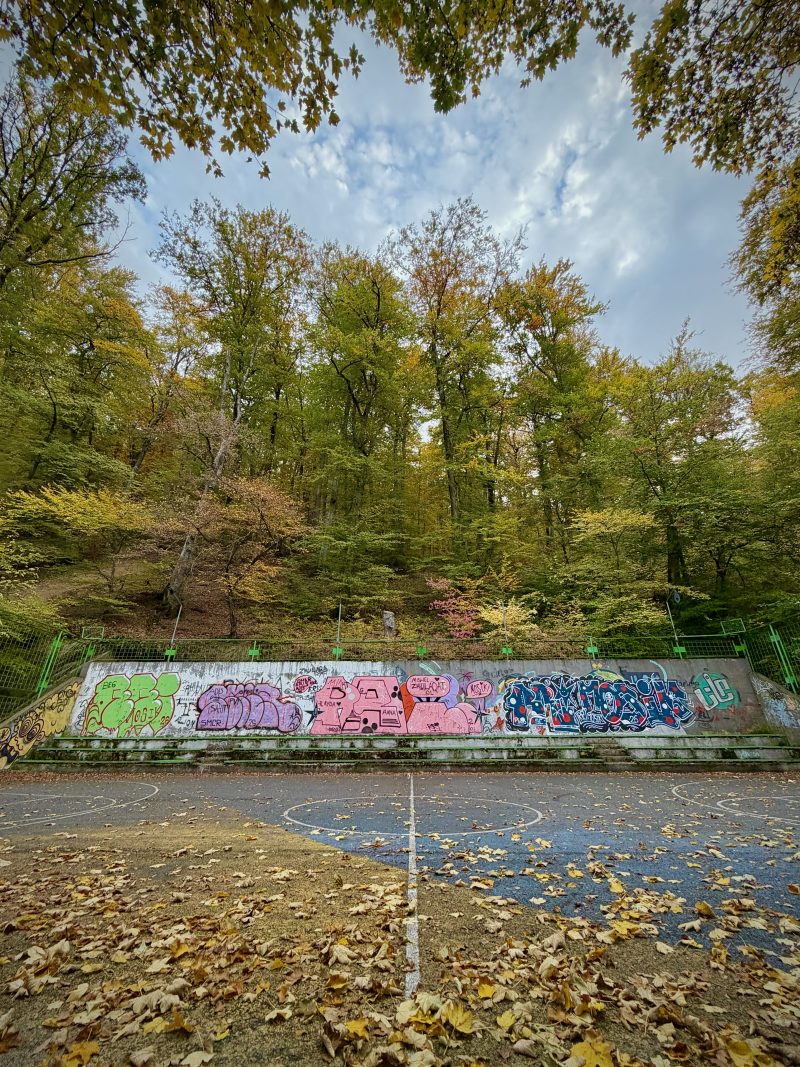 Golden Landscape by Fatos Rudi
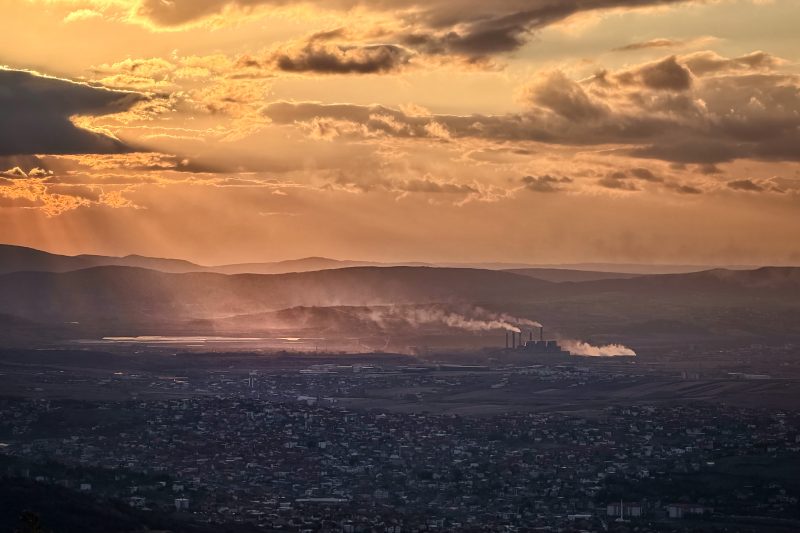 Golden Landscape by Fatos Rudi
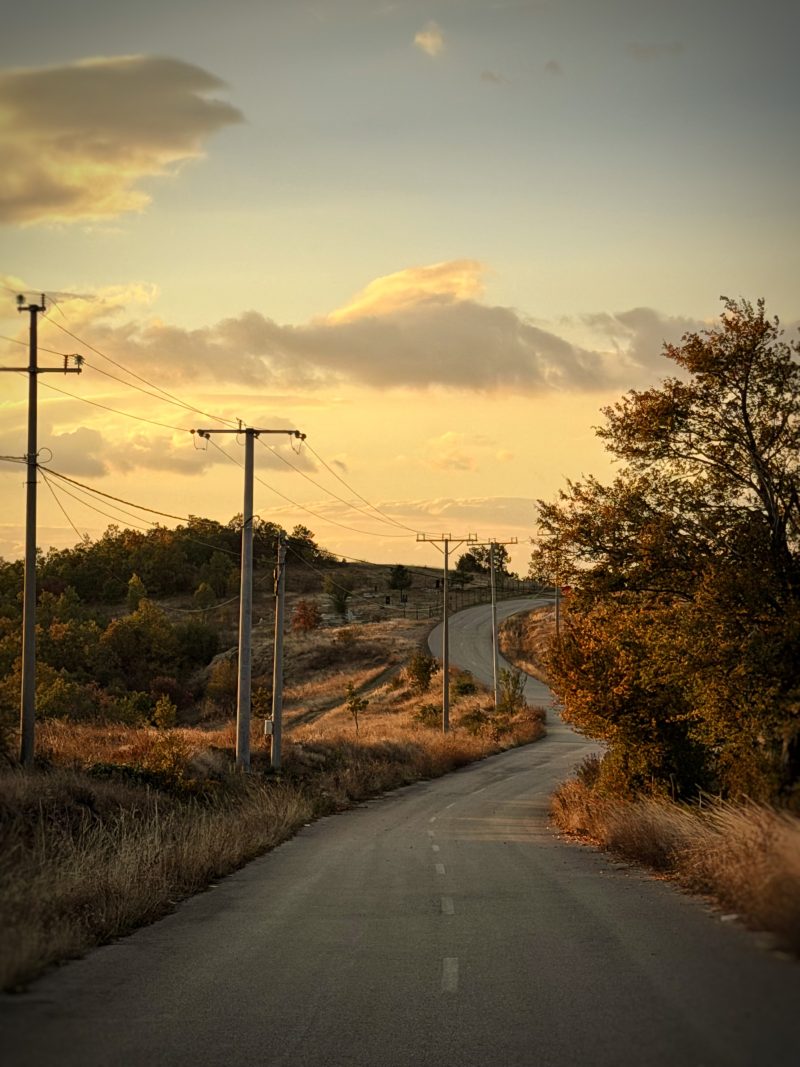 Golden Landscape by Fatos Rudi
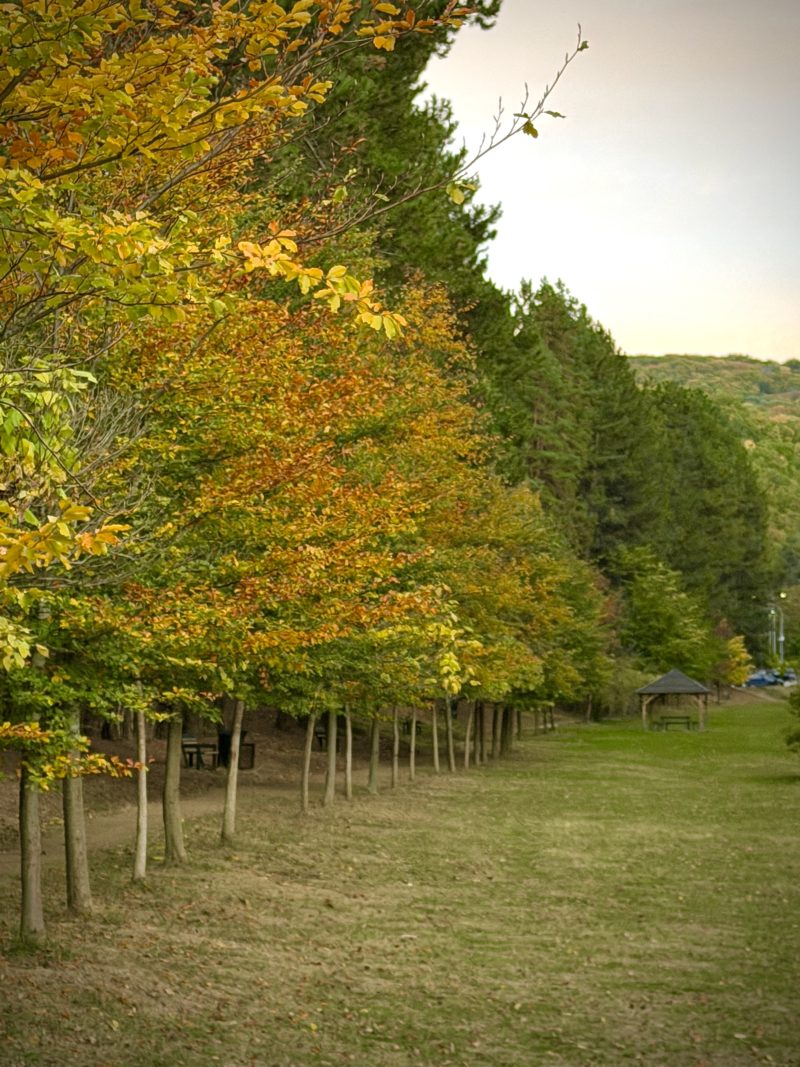 Golden Landscape by Fatos Rudi
See all 47 free Landscapes photos
Do I need to credit CC0 photos?
No. The CC0 FAQ says there is “no legal requirement” to attribute the person who applied CC0, only an expectation that you will do so voluntarily if they ask. CC0 contains no conditions at all, which is the main thing that separates it from every Creative Commons license. Credit is a courtesy, not a duty.
A short line such as “Photo:
[name]
on Largephotos” costs nothing and helps the photographer. The CC0 deed adds one caution: do not imply that the author endorses you. Naming a photographer under an image is fine. Copy that suggests they recommend your brand is not.
CC0 is also permanent. The CC0 FAQ describes it as “a one-way street”: once a creator applies it, they cannot later re-assert copyright over that work.
What does CC0 not cover?
CC0 deals only with copyright and related rights. The deed says plainly that patent and trademark rights are not affected, and neither are the rights other people may have in the work or in how it is used, such as publicity or privacy rights. These limits do not stop you using a photo. They decide which photos fit which jobs.
- Trademarks. A logo, product name or brand mark in a photo stays protected by trademark law. The CC0 FAQ says that if you want to use the affirmer’s trademark, you need permission first. The same caution applies to anyone else’s brand that appears in the frame.
- Patents. CC0 does not waive or license patent rights.
- Privacy and publicity rights of people shown. These rights let people control commercial use of their image or likeness, and they vary by country. CC0 waives only the affirmer’s own. The CC0 FAQ says you may need permission from people whose likeness appears in a photograph.
- Other creators’ work inside the photo. The affirmer does not guarantee that they have cleared any third-party content the work is based on or includes. A painting on a wall, a sculpture or a designed object may have its own rights holder.
- No warranty. Section 4(b) of the legal code says the affirmer makes no warranties of any kind about the work.
So “free to use” describes the photographer’s copyright. It is not a promise that every possible use of everything in the picture is cleared.
Is CC0 the same as public domain?
CC0 aims to put a work into the public domain, but the two are not identical. The public domain, in Creative Commons’ words, is made of works not restricted by copyright because it expired or never applied. CC0 is a legal tool a rights holder uses to get as close to that as the law allows.
The difference shows in the fallback license. Some countries do not let authors waive every right, such as moral rights, so there a CC0 work stays under some rights, licensed to everyone without conditions. For the user, the freedom is close to the same.
There is a second Creative Commons tool that people mix up with CC0: the Public Domain Mark. CC0 is for rights holders and changes the copyright status of the work. The Public Domain Mark can be used by anyone, only for works already free of known copyright worldwide, and works as a label rather than a legal act. A photo uploaded to Largephotos by the person who took it fits CC0. An old painting whose copyright has expired everywhere is the kind of work the Public Domain Mark is for.
CC0 vs CC BY, CC BY-SA, CC BY-NC and royalty-free
The Creative Commons licenses all keep copyright in place and grant use on conditions. CC0 drops the conditions entirely. Royalty-free stock licenses are not Creative Commons tools at all; each stock provider writes its own agreement. The table compares what each one asks of you.
| Terms | Commercial use | Credit required | Edits allowed | Main condition |
|---|---|---|---|---|
| CC0 1.0 | Yes | No | Yes | None. Do not imply endorsement by the author. |
| CC BY 4.0 | Yes | Yes | Yes | Give appropriate credit, link to the license, and indicate changes. |
| CC BY-SA 4.0 | Yes | Yes | Yes | Credit, plus share any adaptation under the same license. |
| CC BY-NC 4.0 | No | Yes | Yes | Credit, and no use primarily intended for commercial advantage or monetary compensation. |
| Royalty-free stock | Set by the provider | Set by the provider | Set by the provider | Whatever that provider’s license agreement says. Read it. |
The BY deed also warns that publicity, privacy or moral rights may limit how you use the material, the same gap CC0 has. Switching to a CC license does not settle the question of people and brands in a picture.
“Royalty-free” causes the most confusion. It is not a Creative Commons tool, so the rights you get depend on the agreement you accept from that provider. CC0 is one standard text, the same for every work that uses it.
| Question | CC0 | Public Domain Mark |
|---|---|---|
| Who applies it? | The author or rights holder | Anyone who knows the work is already free of copyright |
| Does it change the work’s legal status? | Yes | No, it is a label |
| Typical work | A photo still under copyright, given away by its creator | An old work whose copyright has expired worldwide |
| Fallback if the waiver fails? | Yes, a public license | Not applicable |
What should I check before using a CC0 photo in an ad or product?
Check what is in the frame, not just the license. The photo’s copyright is cleared by CC0, but the people, logos, artwork and context in it are not. Most commercial problems come from an identifiable face or a visible brand, so start there and work down the list below before the image goes into a campaign.
- Look for identifiable people. If someone can be recognized, think about whether your use could suggest they back your product. Creative Commons says permission from the person may be needed for these uses, and rules differ by country. For ads and packaging, choose photos without recognizable faces, or get a release from the person.
- Look for logos, brand names and products. Shop signs, a car badge, a printed T-shirt or a branded bottle are covered by trademark law, which CC0 does not touch. Crop or retouch them out, or pick another frame.
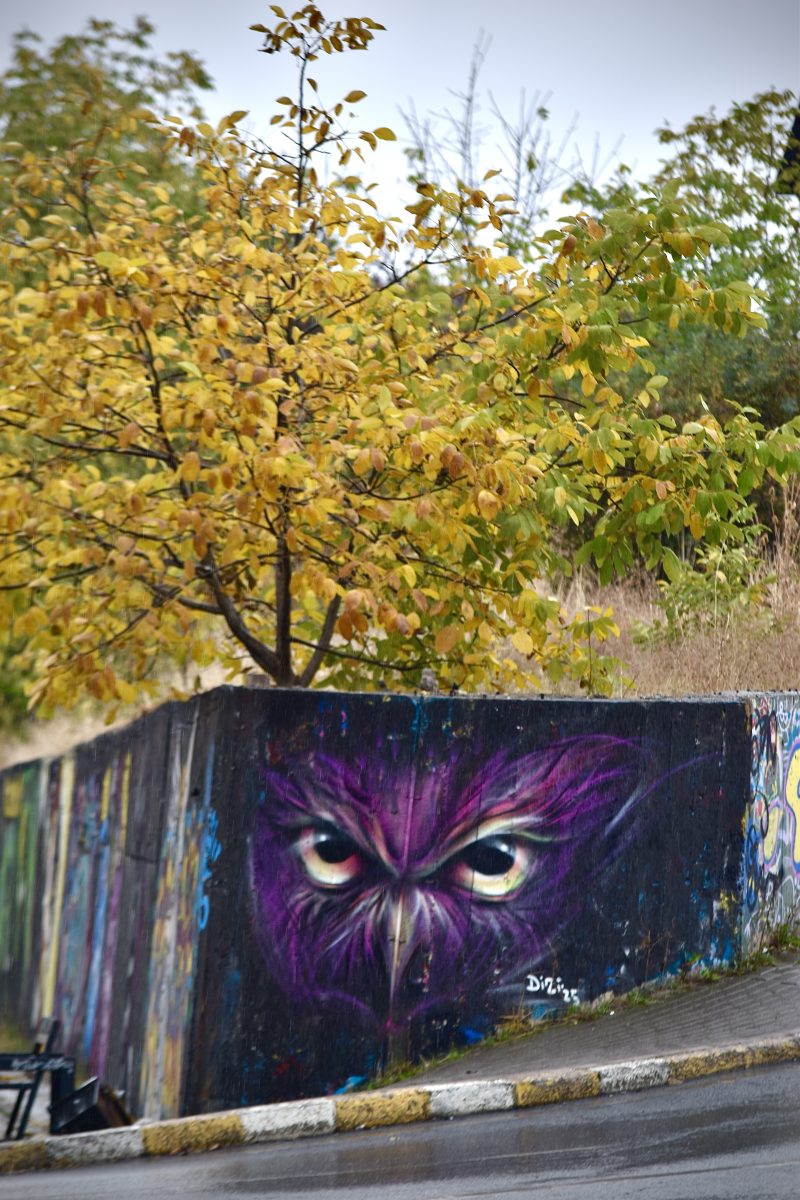
- Look for other people’s creative work. Murals, graffiti, posters, sculpture, a designed lamp or a painting on a wall may have their own rights holder. If a building, monument or light installation is the main subject of the photo, and especially if it is lit up at night, check the rules in the country where you publish before you put it in an ad.
- Think about sensitive uses. Showing a recognizable person next to topics such as health, debt, politics or crime can hurt them, whatever the license. Use images without identifiable people for those subjects.
- Avoid implied endorsement. Do not suggest that the photographer, or anyone shown, recommends what you sell. The CC0 deed and the Largephotos license page both say this.
- Read the platform’s own rules. A site that hosts CC0 work can add its own terms of service on top. On Largephotos, read the license page before you sell anything built on a photo.
- Keep a record. Save the page URL and the date you downloaded the photo. A simple note helps if anyone asks later where the image came from.
How does Largephotos apply CC0?
Every photo and video on Largephotos is released under CC0 by the person who uploaded it. You can use it free, for commercial or personal work, without asking and without giving credit, though a thank-you to the photographer is welcome. The full text is on the Largephotos license page.
The site adds one rule of its own, and it comes from Largephotos, not from CC0, which by itself places no limit on reselling. The Largephotos license page says you may not sell unaltered copies of a photo or video where the image itself is the product, for example as a stock photo, poster or print. Using the same photo inside an app, a template, merchandise, an ad or a book you sell is fine, as long as the picture alone is not the thing being sold.
The Largephotos page also asks that identifiable people and brands not be used in a way that implies endorsement, and that images not be used in an unlawful, defamatory or misleading way.
When you upload to Largephotos, you confirm the work is your own and that you release it under CC0. Read more about the people who share their work on the photographers page, or browse the landscape and nature collections. A photo with no people and no logos in it keeps the checklist above short.
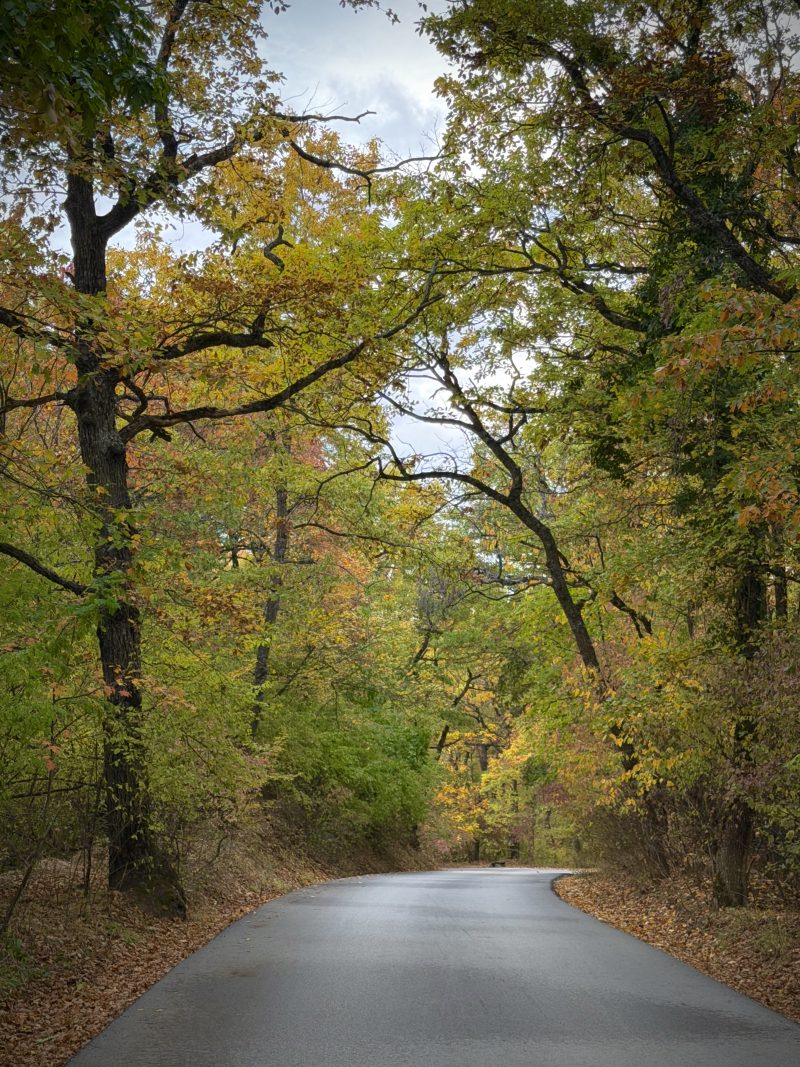 Golden Bubbles by Fatos Rudi
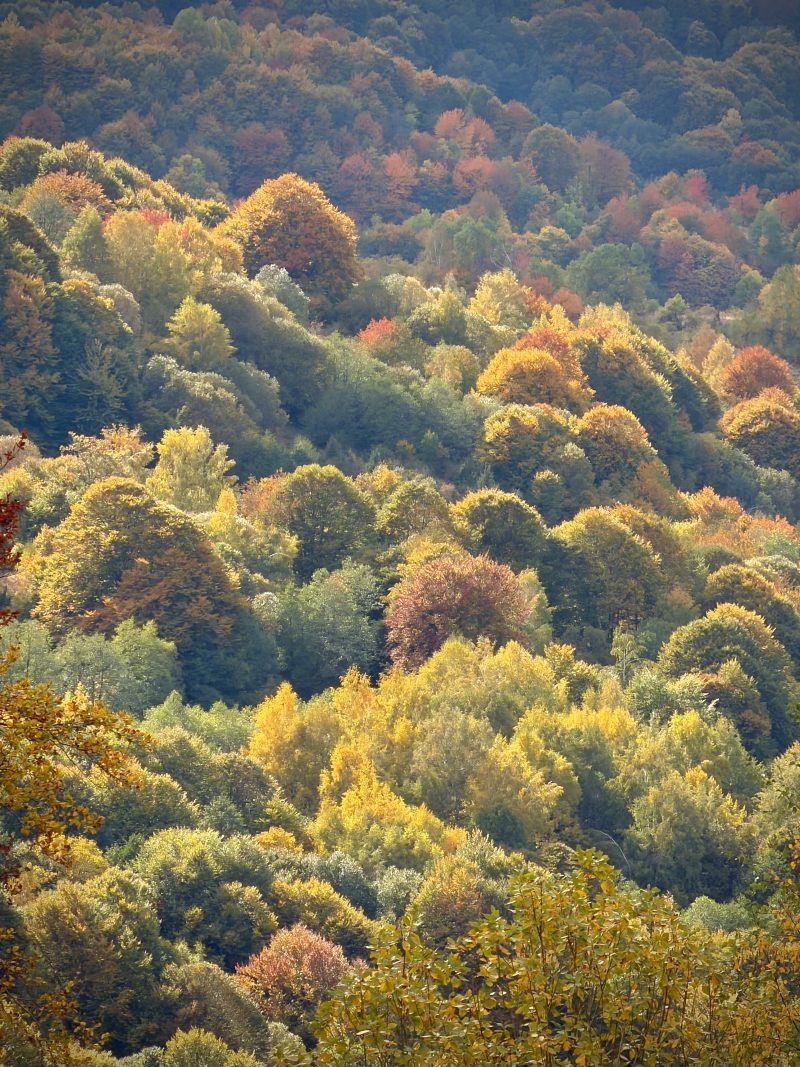 Dense Autumn Forest Canopy on a Hillside by Fatos Rudi
 Mountain Road Curving Through Autumn Trees by Fatos Rudi
This guide explains how CC0 works in general. It is not legal advice for your situation. For a high-stakes use, such as a national ad campaign or a recognizable person on a product box, talk to a lawyer who knows your country’s rules, as the CC0 FAQ itself suggests.
Questions people ask
What does CC0 mean?
CC0 is a Creative Commons public domain dedication. The creator waives copyright and related rights in a work as far as the law allows, and a backup license applies where the waiver does not work, so anyone can use it for any purpose without permission.
Is CC0 public domain?
CC0 is designed to place a work in the public domain. Where local law does not allow a full waiver, a royalty-free, unconditional license gives the public nearly the same freedom.
Can I use CC0 images for commercial use?
Yes. The CC0 deed allows copying, changing and sharing the work even for commercial purposes without asking. You still need to think about trademarks and the privacy or publicity rights of people shown, which CC0 does not cover.
Do I need to credit CC0 photos?
No. There is no legal requirement to credit the creator of a CC0 work. Credit is a kind gesture; just do not suggest the photographer endorses your product.
What is the difference between CC0 and CC BY?
CC BY keeps copyright in place and lets you use the work, including commercially, on the condition that you give credit, link to the license and indicate changes. CC0 has no conditions, so credit is optional.
Is CC0 the same as royalty-free?
No. Royalty-free is a type of commercial stock license, and each provider sets its own terms. CC0 is one standard Creative Commons text that is the same for every work that uses it.
Can I sell prints of Largephotos images?
Not unaltered copies. Largephotos has its own site rule against selling a photo or video where the image itself is the product, such as a poster or print. This rule comes from Largephotos, not from CC0.
How this guide was written: each statement was checked against the CC0 deed, legal code and FAQ, the Creative Commons FAQ and License Chooser, the BY, BY-SA and BY-NC deeds, and the Largephotos license page, checked on 7 October 2026. Spotted an error? Write to admin@largephotos.net.